
Space-constrained sites
A compact layout concentrates treatment stages and leaves more room for the main operation.
We design, build, install and commission compact wastewater treatment plants. Fiberglass-tank and container solutions make better use of space, integrate equipment and controls, and reduce unnecessary work on site.
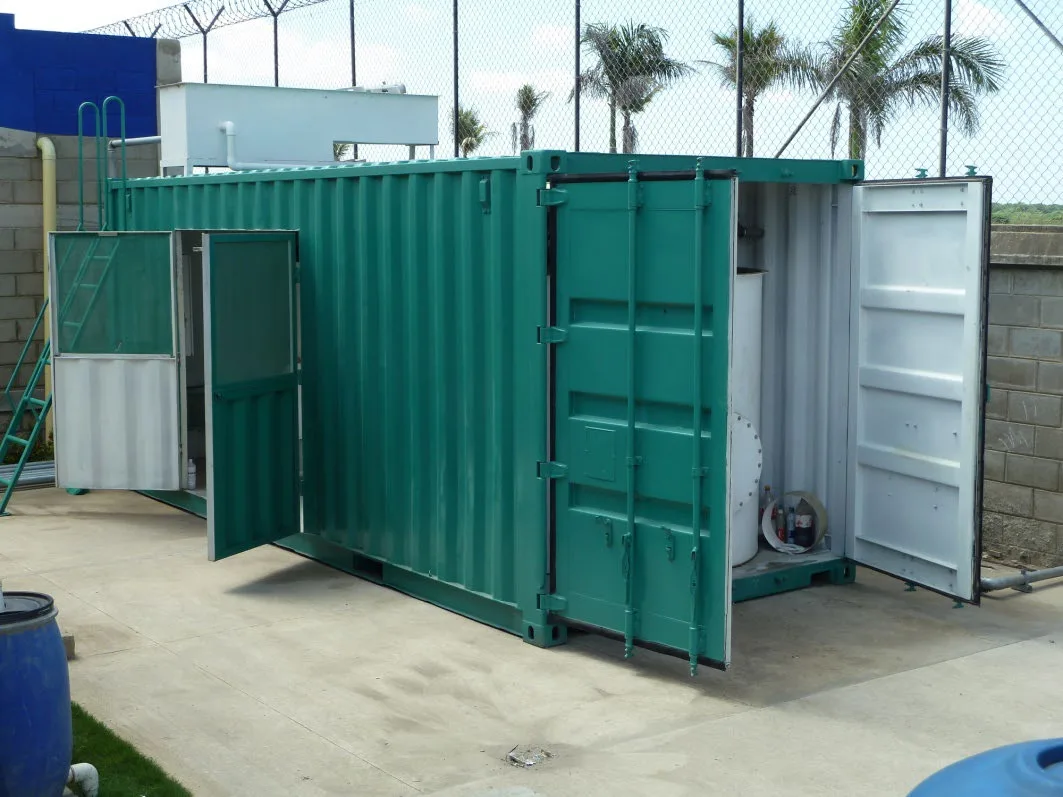
A compact layout concentrates treatment stages and leaves more room for the main operation.
Housing, roadside services, and sites away from sewers can receive modules prepared before delivery.
Prefabrication lets tanks, equipment, and pipework advance while essential connections and civil work are prepared.
Stages and capacity can be arranged to support future expansion of the facility.
Cylindrical reactors distribute treatment stages, adapt the layout to the site, and keep components visible around each vessel. They fit sites where separate equipment and exterior access work well.
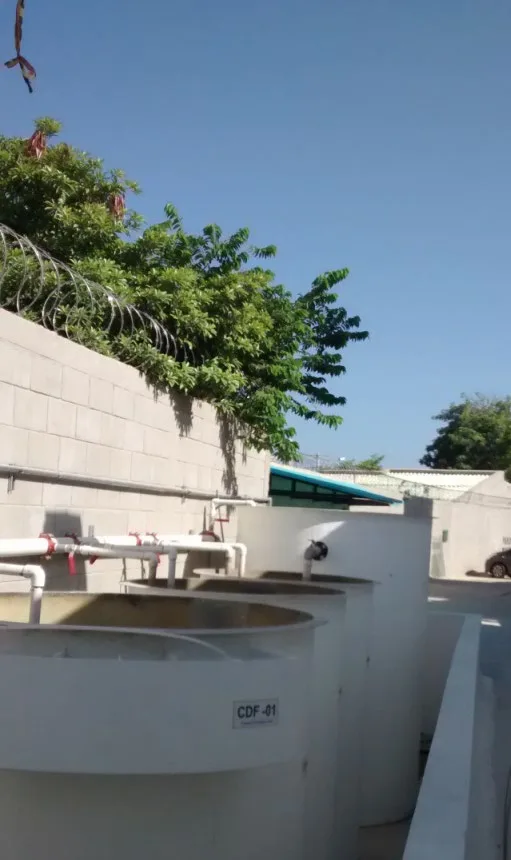
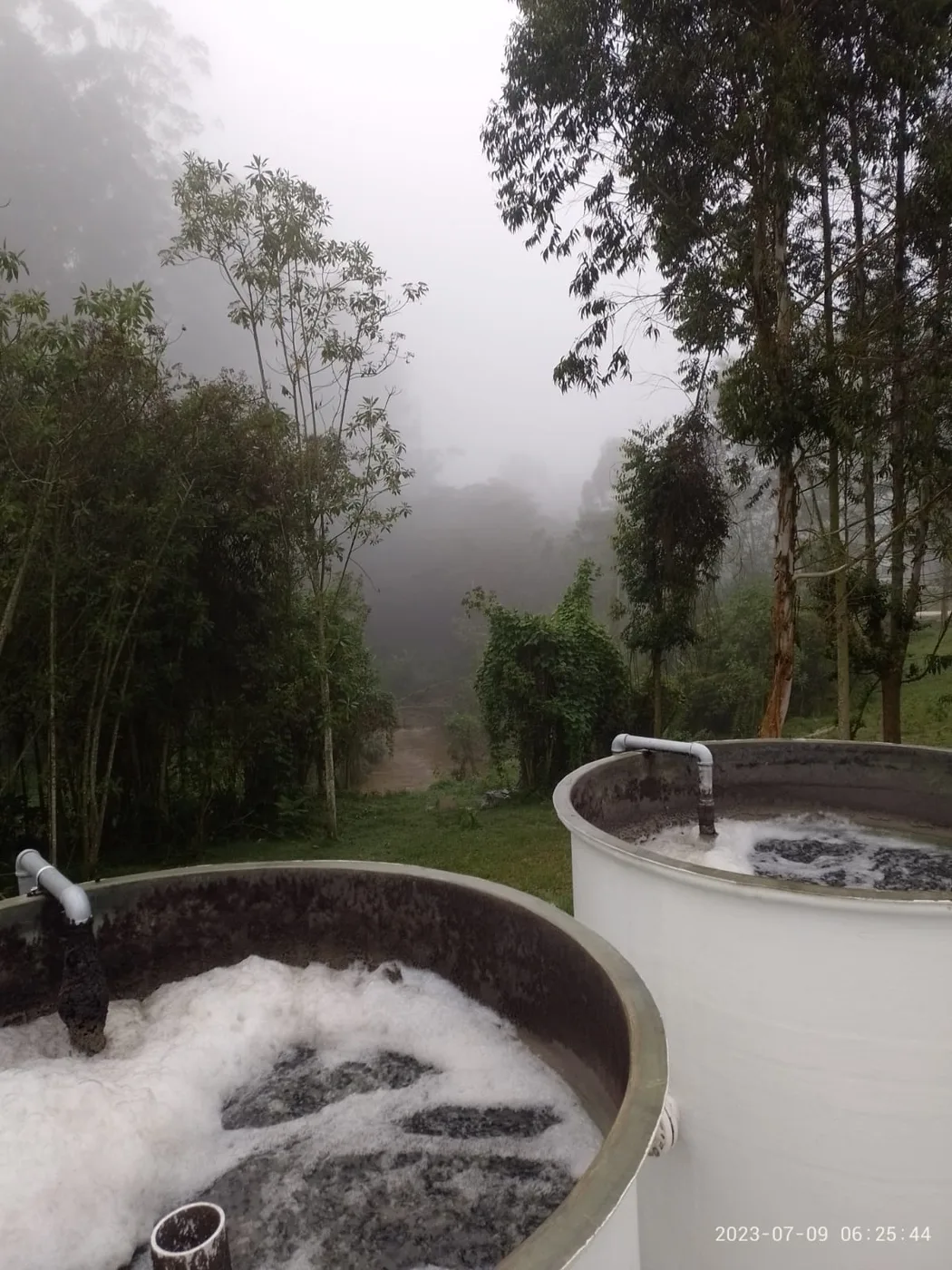
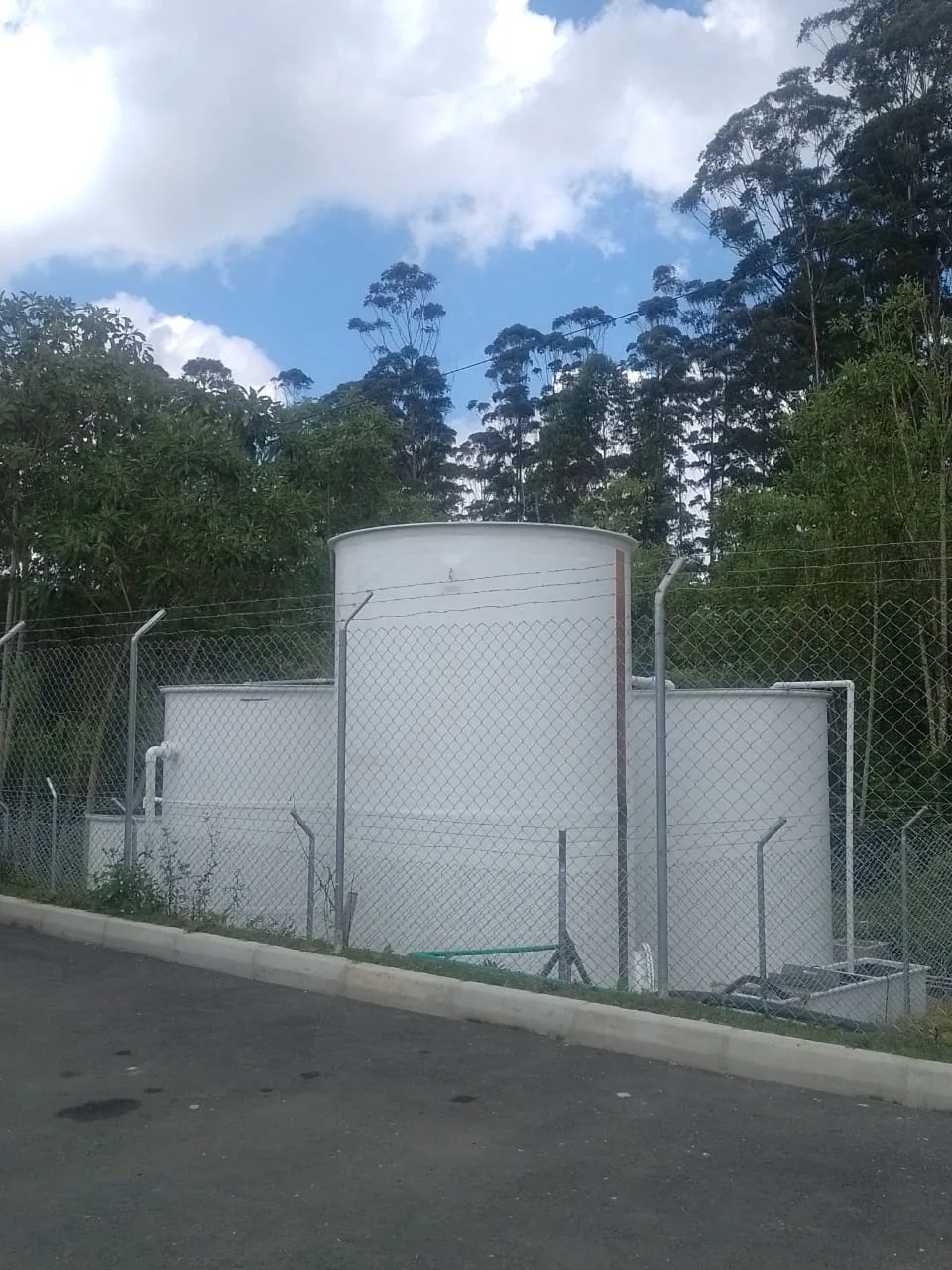
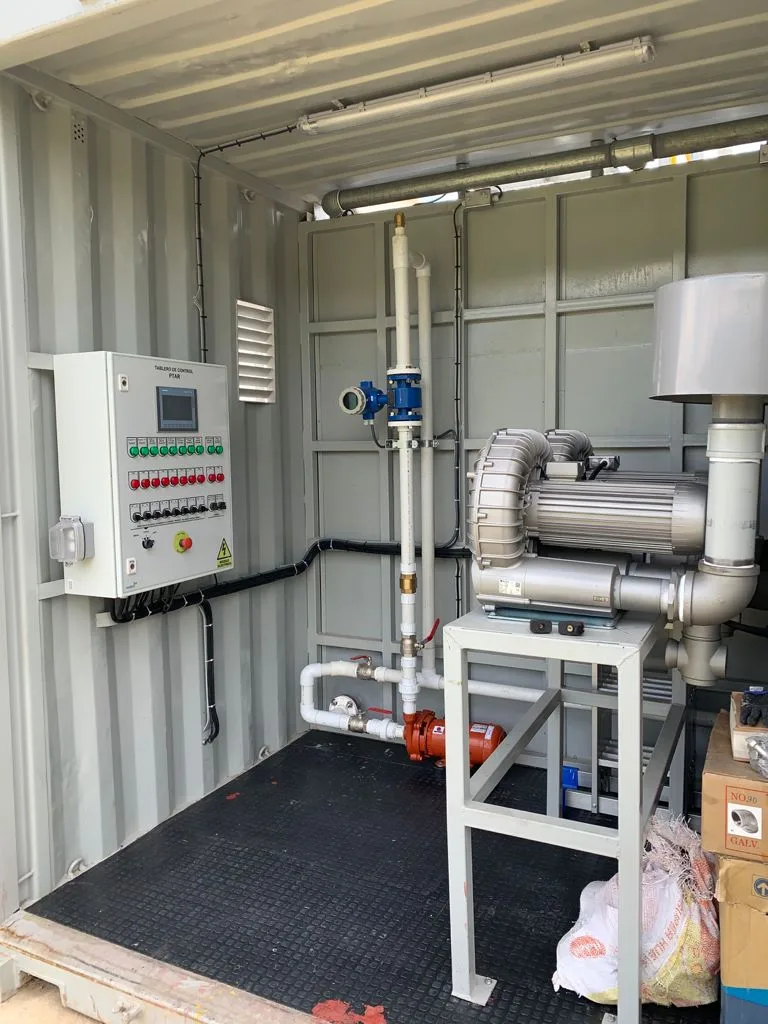
A container brings treatment stages, blowers, pumps, instrumentation, and controls into a transportable module. It supports off-site assembly and lets the design address ventilation, equipment protection, and maintenance access from the start.
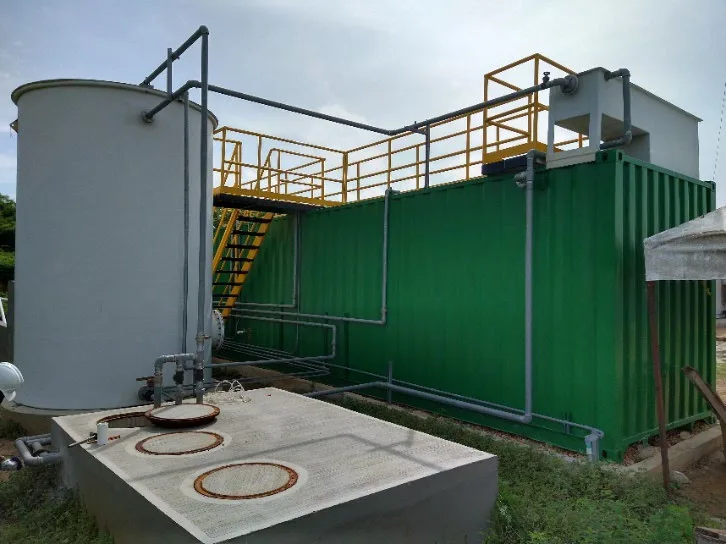
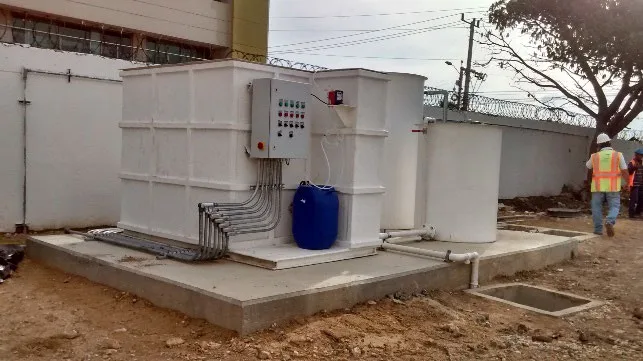
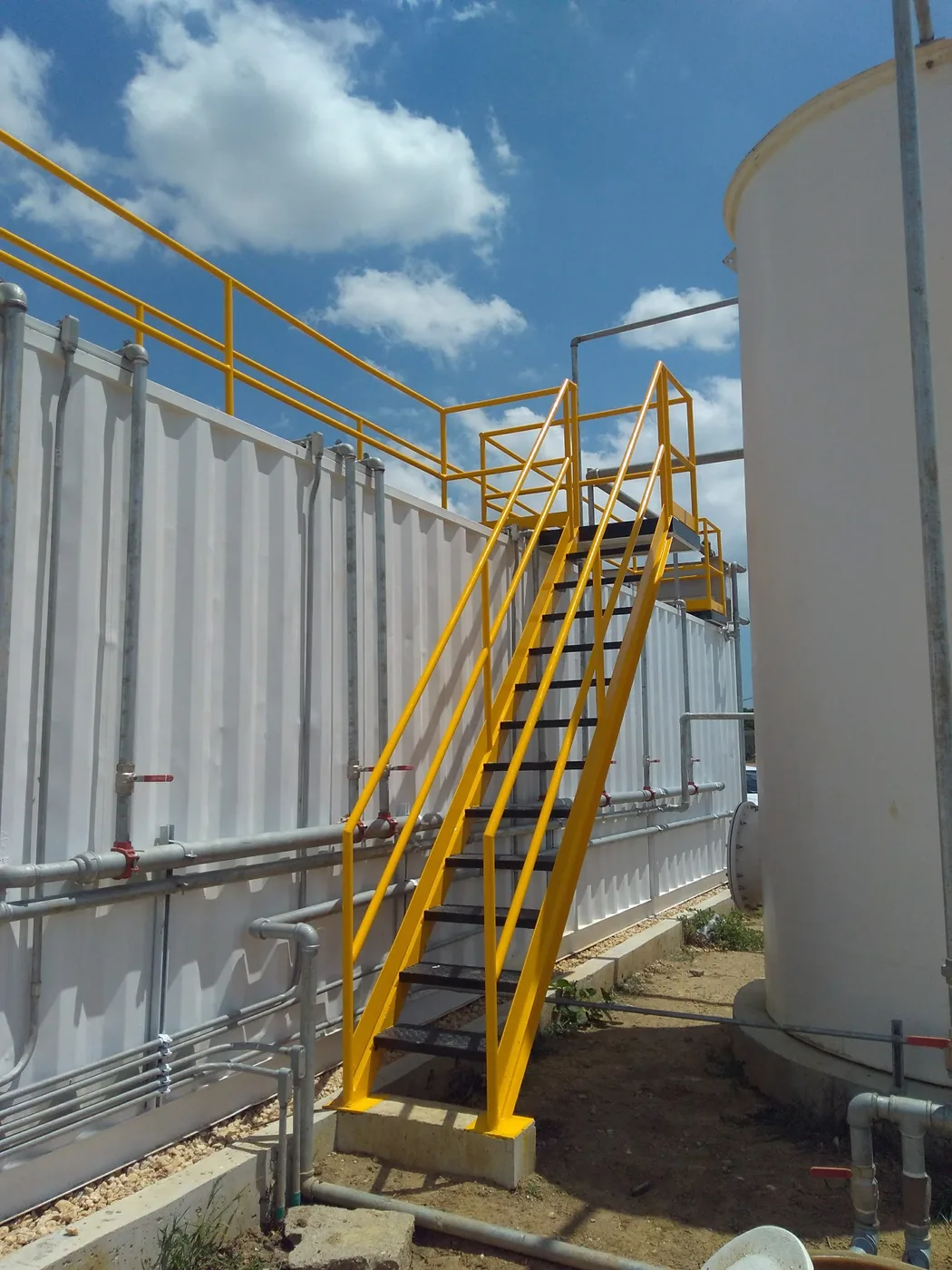
Flow, load, variability, space, transport route, lifting, civil and electrical connections, maintenance access, and future capacity determine whether fiberglass tanks, a container, or a combination is best.
The plant can bring together aeration, pumps, pipework, instrumentation, and the control panel. We also plan transport, installation, connections, and commissioning so the module reaches the site ready for orderly integration.
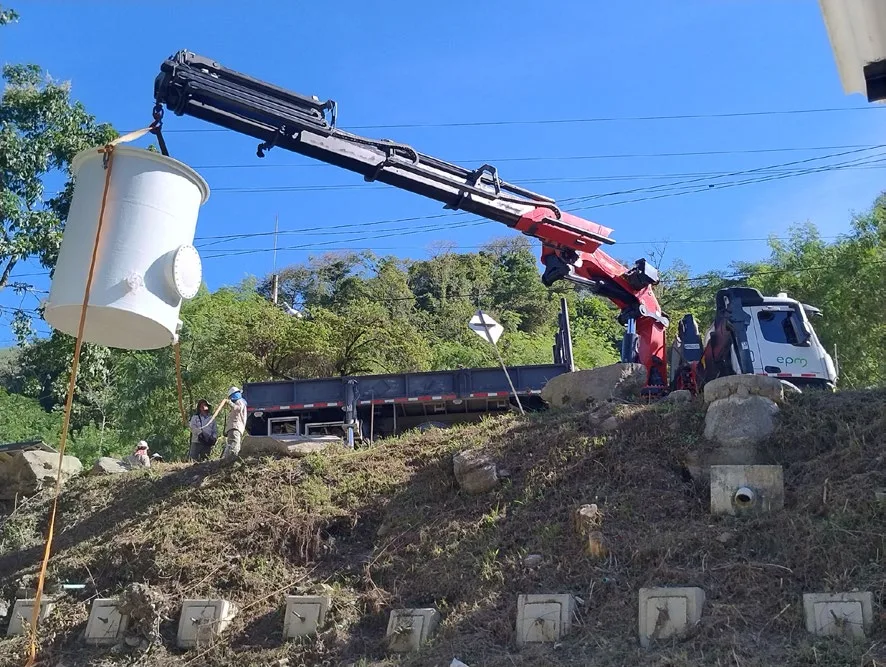
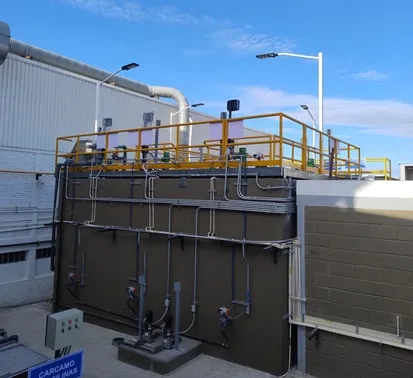
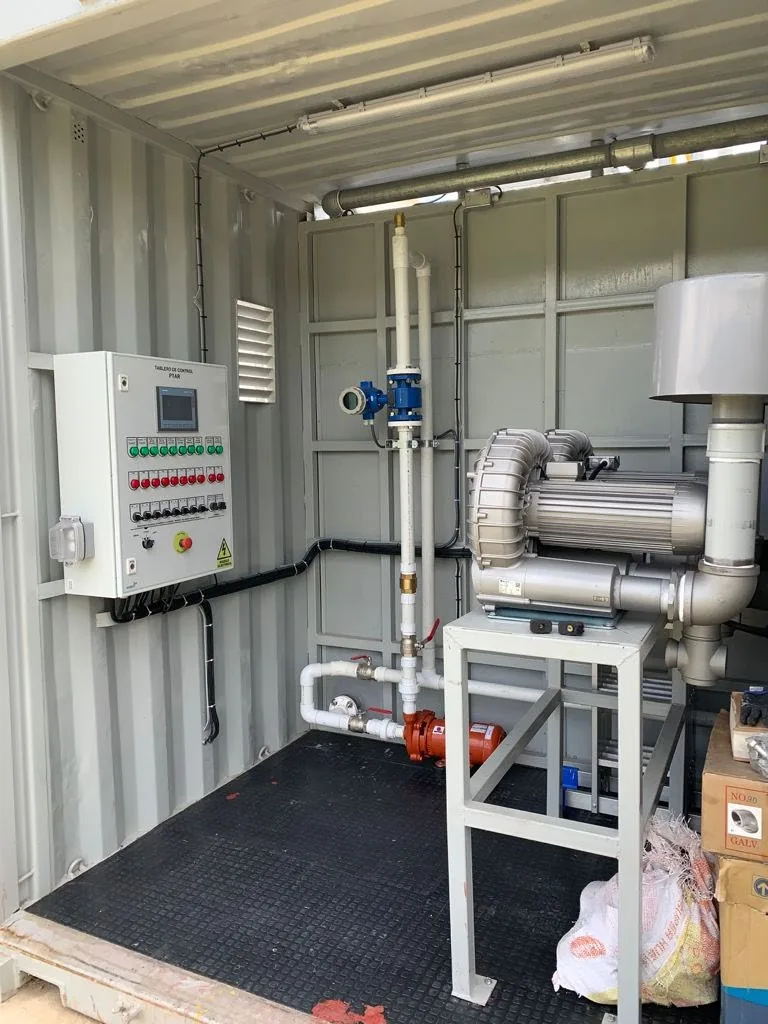
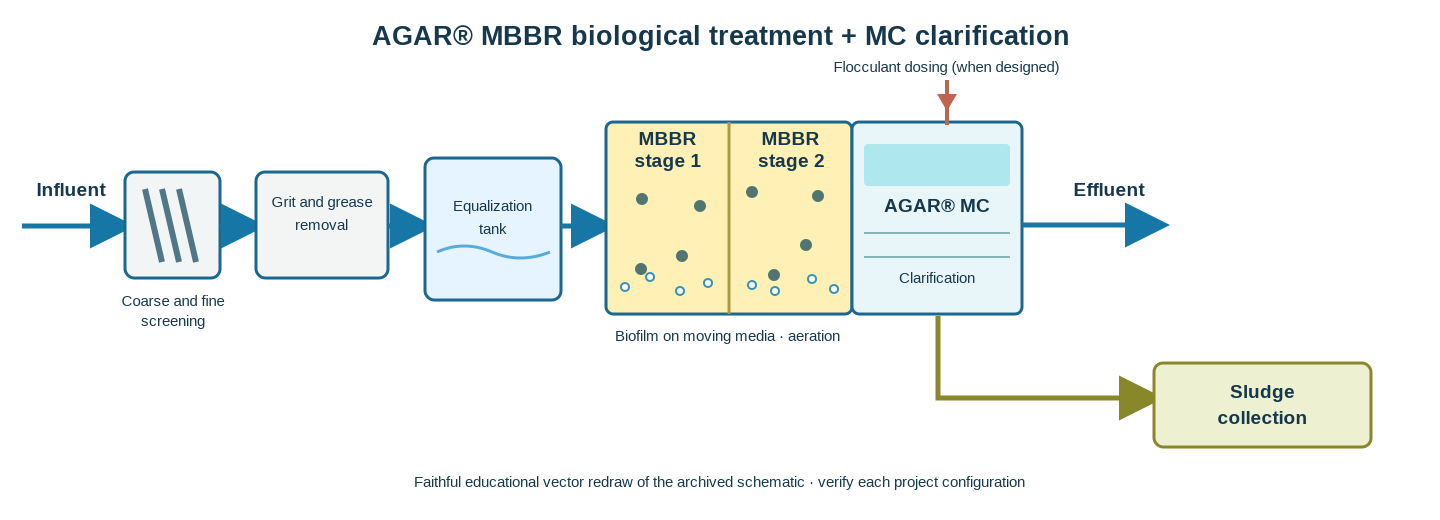
Pretreatment, equalization, two MBBR stages, MC clarification, aeration, sludge handling, and controls must work as one train. Prefabrication changes how the plant is built and installed; process engineering still leads the solution.
Engineering proposal
For sanitary wastewater at an industrial site in Soledad, Vandens compared vertical fiberglass tanks with a 40-foot high-cube container. Both alternatives use the existing slab and integrate two MBBR stages, MC clarification, aeration, pumps, sludge handling, and instrumentation.
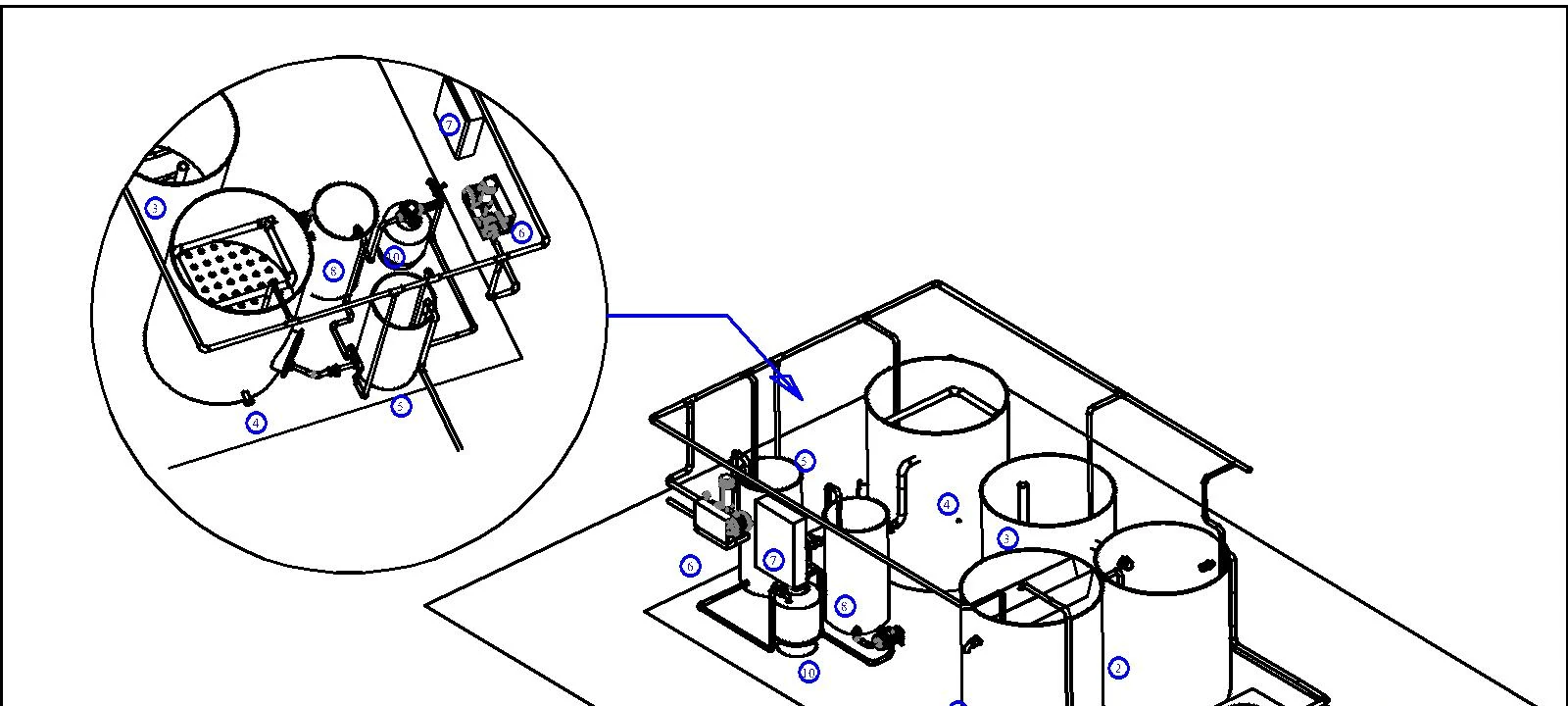
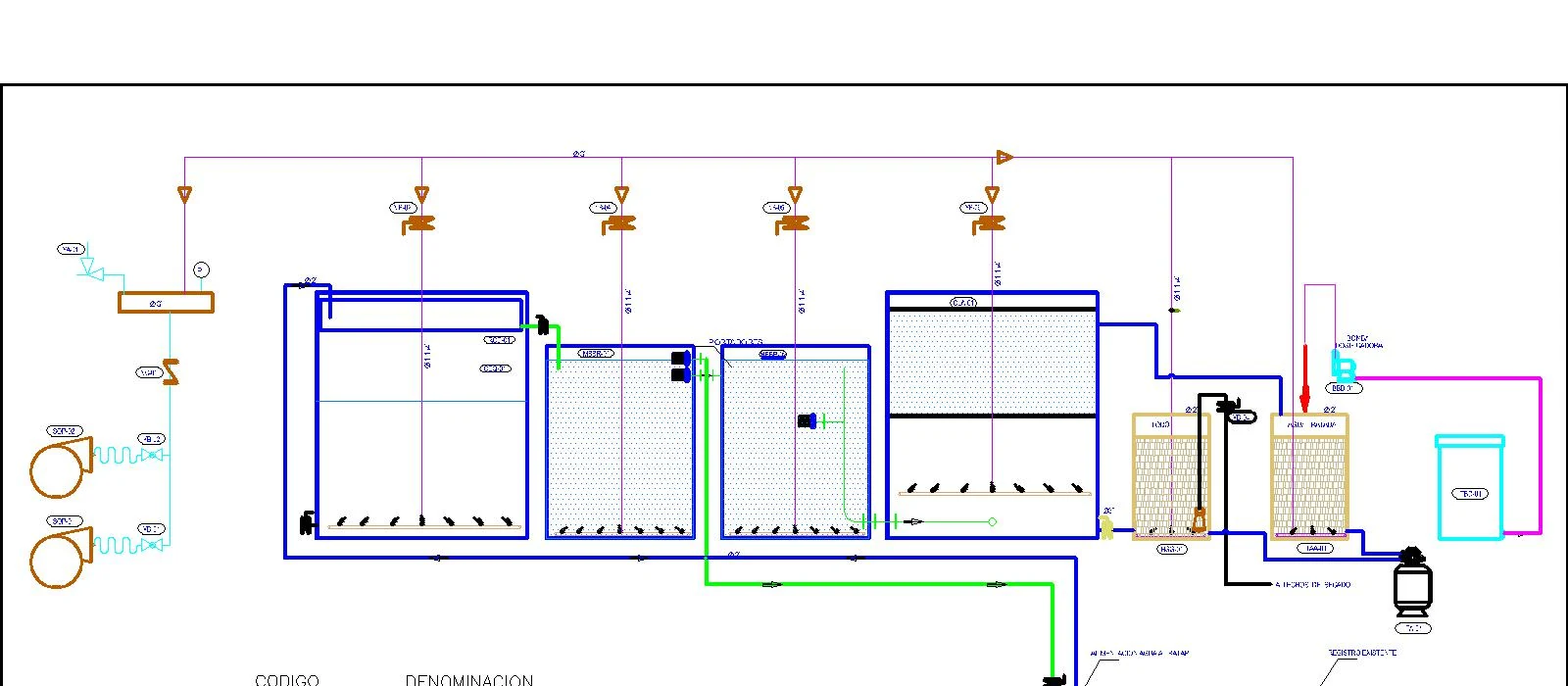
With flow, available characterization, space, and access conditions, we can define the right layout route.
Optional analytics
May we collect aggregate usage statistics to improve this website? We do not share contact inquiry details. Declining does not affect the site.